“Major Angel Stories in the Bible: Divine Messengers, Miracles, and Messages from God”
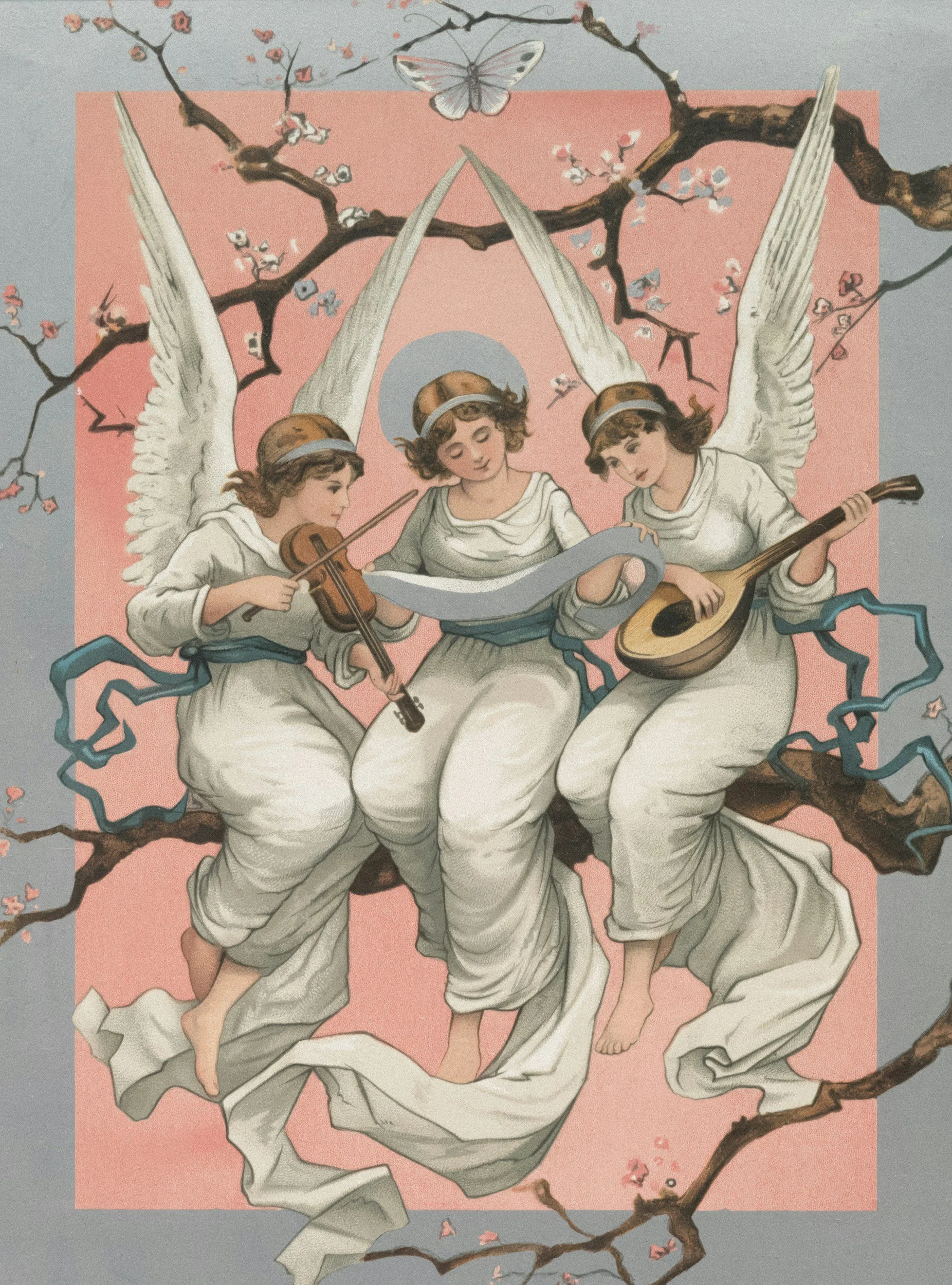
Angel Stories in the Bible
Messengers of Light: Major Angel Stories in the Bible
Introduction: The Heavenly Messengers
Throughout Scripture, angels appear as radiant figures bridging the unseen realm of heaven and the visible world of humankind. Their presence is both mysterious and awe-inspiring—symbols of divine communication, protection, and power.
The Hebrew and Greek words for angel—malak and angelos—both mean “messenger.” Angels are not to be worshiped, nor are they mythic creatures; they are servants of the Most High, executing His will with perfect obedience.
From the gates of Eden to the empty tomb of Christ, the Bible unfolds a divine drama in which angels deliver messages, bring judgment, announce miracles, and reveal God’s glory. Each story reveals not only the nature of these celestial beings but also the heart of the God who sends them.
1. Guardians of Eden: The Flaming Sword (Genesis 3:24)
The first mention of angels in Scripture comes after humanity’s fall. Adam and Eve, having disobeyed God, are expelled from Eden—paradise lost. Yet even in judgment, there is mercy.
“So He drove out the man; and He placed cherubim at the east of the Garden of Eden, and a flaming sword which turned every way, to guard the way to the tree of life.” — Genesis 3:24
These cherubim were not chubby infants with wings, but majestic, awe-inspiring beings associated with the throne of God (see Ezekiel 10). Their mission was to protect mankind from eternal separation—to prevent access to the Tree of Life while redemption’s plan unfolded.
Here, angels mark the boundary between holiness and rebellion, between paradise lost and grace in waiting.
2. The Messengers to Abraham: Promise and Judgment (Genesis 18–19)
Centuries later, angels again appeared—this time to Abraham, the friend of God.
One warm afternoon, three visitors approached Abraham’s tent by the oaks of Mamre. He hurried to meet them, offering hospitality. But these were no ordinary men—they were divine messengers, and one was the Lord Himself in human form.
“And the Lord appeared to him… three men were standing by him.” — Genesis 18:1–2
They brought astounding news: Sarah would bear a son. Sarah laughed in disbelief, but the angelic message was clear—nothing is too hard for God (Genesis 18:14).
As they departed, two of the angels turned toward Sodom and Gomorrah, where sin had reached its limit. They rescued Lot and his family, leading them out of the doomed cities. But Lot’s wife looked back—her longing tied to the corruption she left behind—and she turned into a pillar of salt (Genesis 19:26).
These angels carried both promise and judgment, revealing the twofold nature of divine intervention: mercy for the faithful, justice for the unrepentant.
3. Jacob’s Dream and the Ladder to Heaven (Genesis 28:10–17)
One night, as the fugitive Jacob fled from his brother Esau, he lay down with a stone for a pillow. In his sleep, heaven opened:
“Then he dreamed, and behold, a ladder was set up on the earth, and its top reached to heaven; and there the angels of God were ascending and descending on it.” — Genesis 28:12
This vision revealed that heaven and earth are connected, and God’s messengers are constantly moving between them, carrying His will. Jacob awoke in awe and declared,
“Surely the Lord is in this place… This is none other than the house of God, and this is the gate of heaven.” — Genesis 28:16–17
Jacob’s dream reminds believers that we are never cut off from heaven’s activity. Angels still move unseen, orchestrating divine purposes in our ordinary places.
4. The Angel Who Wrestled Jacob (Genesis 32:24–30)
Years later, Jacob would again encounter the divine—in the form of a mysterious being who wrestled him through the night.
“Then Jacob was left alone; and a Man wrestled with him until the breaking of day.” — Genesis 32:24
The being struck Jacob’s hip and renamed him Israel, meaning he struggles with God. Though sometimes described as a “man,” the context reveals this was an angelic manifestation of God Himself.
Jacob’s struggle symbolizes humanity’s lifelong wrestling between self-reliance and divine surrender. He limped away from the encounter, but his soul was healed and his identity transformed.
5. The Angel and Balaam’s Donkey (Numbers 22:21–35)
Not all angelic encounters begin with reverence. The prophet Balaam, hired to curse Israel, set out on his donkey—but the path was blocked by an angel with a drawn sword. Balaam, blinded by greed, could not see what his animal could.
“Then the Lord opened the eyes of Balaam, and he saw the angel of the Lord standing in the way with His drawn sword in His hand.” — Numbers 22:31
The angel rebuked Balaam for his reckless disobedience, sparing his life but warning him to speak only what God commanded. Even in rebuke, the angel’s intervention was mercy—a divine rescue from self-destruction.
6. The Angel Who Strengthened Elijah (1 Kings 19:4–8)
In the wilderness of despair, after fleeing Queen Jezebel, the prophet Elijah collapsed under a broom tree, praying for death. But God sent an angel—not to scold, but to strengthen.
“Then as he lay and slept under a broom tree, suddenly an angel touched him, and said to him, ‘Arise and eat.’” — 1 Kings 19:5
Bread baked on coals and a jar of water waited by his head. The angel fed him twice, and in that nourishment Elijah found the strength to travel forty days to Mount Horeb.
Here we glimpse God’s tenderness: sometimes His greatest miracles come as simple acts of care, carried out by unseen hands.
7. The Angel in the Lions’ Den (Daniel 6:22)
When Daniel was thrown into the den of lions for his unwavering faith, he declared in the morning:
“My God sent His angel and shut the lions’ mouths, so that they have not hurt me.” — Daniel 6:22
Through the long night, the angel stood guard—divine protection made visible. The lions that should have devoured him became symbols of God’s faithfulness to those who trust Him.
8. The Archangel Gabriel and the Coming of the Messiah (Luke 1)
The New Testament bursts into motion through the voice of an angel—Gabriel, the messenger of God’s redemptive plan.
First, he appeared to Zechariah, announcing the birth of John the Baptist (Luke 1:13). Then, six months later, Gabriel visited a young woman in Nazareth:
“Rejoice, highly favored one, the Lord is with you; blessed are you among women!” — Luke 1:28
Gabriel’s message to Mary was world-shattering: she would bear the Son of God.
“For with God nothing will be impossible.” — Luke 1:37
In this angelic announcement, heaven and earth met again—the divine plan for salvation entering history through faith and obedience.
9. The Angels at Jesus’ Birth (Luke 2:8–14)
On a quiet night in Bethlehem, shepherds watched their flocks under the stars. Suddenly, the sky erupted with light:
“An angel of the Lord appeared to them, and the glory of the Lord shone around them… ‘Do not be afraid, for behold, I bring you good tidings of great joy which will be to all people.’” — Luke 2:9–10
A host of angels filled the heavens, proclaiming:
“Glory to God in the highest, and on earth peace, goodwill toward men!” — Luke 2:14
The shepherds, simple and forgotten, became the first witnesses of the Savior’s birth. The angels’ song marked the arrival of divine peace—a harmony between heaven and earth restored through Christ.
10. The Angel in Gethsemane and the Empty Tomb (Luke 22:43; Matthew 28:2–6)
Even the Son of God received angelic strength. In Gethsemane, as Jesus prayed in agony,
“An angel from heaven appeared to Him and strengthened Him.” — Luke 22:43
Later, after the crucifixion, angels again appeared—this time to announce victory over death.
“There was a great earthquake; for an angel of the Lord descended from heaven, rolled back the stone… His countenance was like lightning, and his clothing as white as snow.” — Matthew 28:2–3
To the women at the tomb, the angel proclaimed the greatest message ever spoken:
“He is not here; for He is risen, as He said.” — Matthew 28:6
The story that began with cherubim guarding the way to the Tree of Life now ends with angels opening the way to eternal life.
Conclusion: The Ministry of Angels—Then and Now
From Eden to the empty tomb, angels appear as witnesses of God’s unchanging purpose—to protect, guide, and reveal His love. They stand at the crossroads of divine and human history, reminding us that heaven is never far away.
While modern eyes often overlook the invisible, Scripture assures us that angels still serve:
“Are they not all ministering spirits sent forth to minister for those who will inherit salvation?” — Hebrews 1:14
They rejoice when sinners repent (Luke 15:10), guard believers (Psalm 91:11), and surround God’s throne in endless worship (Revelation 5:11–12).
Every angelic encounter in the Bible whispers the same truth: God is near, His plans are sure, and His messengers still move between heaven and earth.
As we live by faith, we, too, walk under the watchful care of the Lord of Hosts, the God who commands the angels—and the hearts of men—with perfect love.
References
Genesis 3:24 – Cherubim guarding Eden
Genesis 18–19 – Angels visiting Abraham and rescuing Lot
Genesis 28:10–17 – Jacob’s ladder
Genesis 32:24–30 – Wrestling with the angel
Numbers 22:21–35 – Balaam’s donkey and the angel
1 Kings 19:4–8 – The angel strengthens Elijah
Daniel 6:22 – Angel in the lions’ den
Luke 1:11–38 – Gabriel’s messages to Zechariah and Mary
Luke 2:8–14 – Angels announcing Jesus’ birth
Luke 22:43 – Angel strengthening Jesus in Gethsemane
Matthew 28:2–6 – Angel at the empty tomb
Hebrews 1:14 – Angels as ministering spirits
Psalm 91:11 – Angels guarding the faithful
Luke 15:10 – Angels rejoicing in repentance
Revelation 5:11–12 – Angels worshiping before God’s throne